



FICO Score 8 is usually accurate at representing your creditworthiness as a three-digit number ranging from 300 to 850. Many lenders rely on it to assess your credit risk when you apply for an account, like a credit card or personal loan.
Released in 2009, the FICO Score 8 version specifically ignores collection accounts under $100, meaning you aren't penalized for small, forgotten bills. However, if there are mistakes on your credit report, even an accurate scoring model can produce a misleading number.
Is FICO Score 8 accurate?
FICO Score 8 is accurate in the sense that it consistently evaluates the information in your report using a standardized formula. If your data is correct and up to date, your FICO Score 8 should reflect how the model views your credit risk at that moment.
Compared to earlier versions, FICO 8:
- Is more sensitive to high credit card balances: Carrying balances near your limits hurts your score more, so keep usage low.
- Ignores collection accounts under $100: Small forgotten bills won’t count against you, though older versions may still count them.
- Doesn’t use trended data: It only looks at what you owe today, not whether your balances have been rising or falling over the past months.
Newer models may predict risk somewhat better, but FICO 8 is still strong by industry standards.
However, that doesn't mean it's the most relevant score. Some lenders use different credit models, and some industries rely on specific FICO versions. For example, mortgage lenders typically use older versions (FICO 2, 4, and 5), so your FICO 8 score may not match what they pull.
What is FICO Score 8?
Fair Isaac Corporation (FICO) created the FICO Score 8 model. It evaluates the information in your credit report to predict how risky it is to lend you money. Like many scoring models, FICO Score 8 places a strong emphasis on payment history and credit utilization.
FICO Score 8 was once a widely used credit scoring model, but it's slowly being replaced by FICO Score 10. Released in 2009, it introduced several changes designed to improve credit risk assessment compared with previous FICO scoring models, particularly FICO Score 2 through 5.
Read more >> What Is a FICO Score?
How do credit scores work?
All credit scores are calculated using information from your credit reports. The most influential factors include:
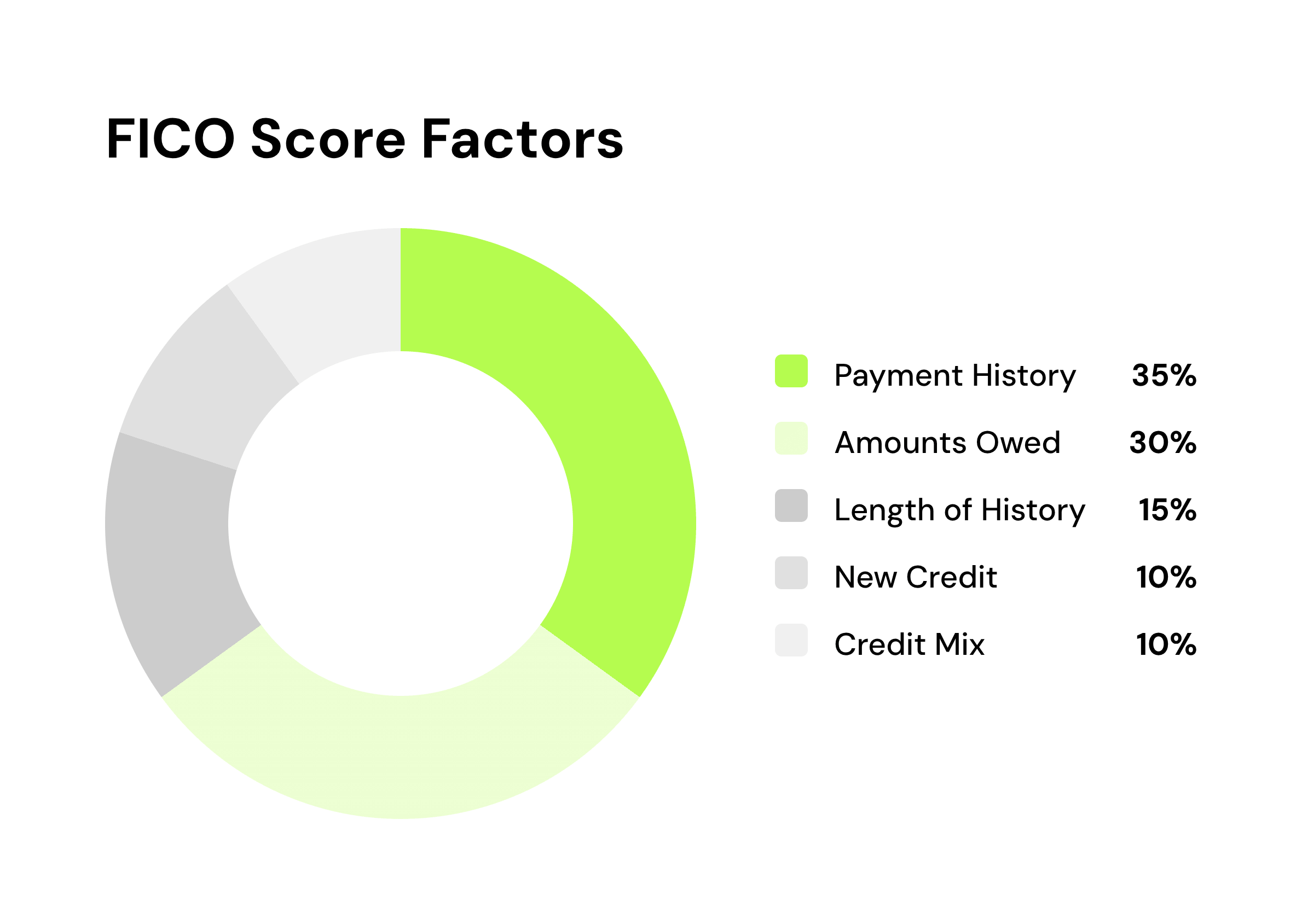
- Payment history
- Amounts owed
- Length of credit history
- Credit mix
- Recent activity
Monitoring your reports will help you uncover errors and keep your score accurate. You should also take advantage of tools that establish consistent, on-time payment activity.
How to build credit
Here are a few simple tips for strengthening your credit history, which may help boost your score:
- Pay your bills on time
- Avoid high balances on lines of credit
- Keep older accounts open when practical
- Don't open several new accounts at once
If you have a thin history or are rebuilding your score after a rough patch, Kikoff can help you report monthly payment activity without requiring a hard credit check.
Read more >> How Long Does It Take to Build Credit
Your biggest bill may be building nothing
Rent is usually the largest and most consistent payment a renter makes, and many landlords don’t report it to the credit bureaus. Years of paying on time can leave your file exactly where it started.
Kikoff Rent Reporting adds your rent to your Equifax and TransUnion reports, and can include up to two years of past rent. That's payments you’ve already made, counting for the first time.
Bottom line
FICO 8 is a reliable, well-tested model that ranks borrowers by credit risk, though it doesn't use trended data and some lenders often rely on other FICO versions or different credit models to assess your creditworthiness. Treat your FICO 8 score as a guide to where you stand, and regularly review your credit reports for errors so the score reflects your true credit history.
To build your credit, use on-time payments reporting from Kikoff — our platform makes it easy to report positive behavior, such as on-time rent payments, to your credit report.
Frequently Asked Questions
Disclaimer: The information provided in this blog post is meant for informational purposes only and does not constitute financial advice.