.jpg)
.jpg)



Checking your credit score once a month can be a practical starting point, especially if you’re building credit. It gives you a regular check-in without making every small change something to worry about.
There is no single schedule that works for everyone. You may want to check more closely before applying for a mortgage or auto loan, while less frequent score checks may suit you when your credit is stable.
Whatever schedule you choose, review your credit reports too. A score can show that something changed, but your reports help you understand why.
How often should you check your score?
A monthly check-in can help you follow longer-term trends. Treat that as a routine, not a deadline for seeing results.
Lenders typically report account information monthly, but they do not all report on the same day. Your score provider may also have its own update schedule, so a payment or lower balance might not appear when you expect it to.
Consider adjusting your routine in these situations:
- You’re actively building credit: Monthly checks can help you follow changes without focusing too much on daily fluctuations.
- Your credit is stable: Checking your score every few months may fit your needs, while you continue reviewing reports and account alerts.
- You’re preparing to borrow: Check your score and reports ahead of an application so you have time to address errors.
- You receive an unfamiliar-account alert: Review the relevant report promptly rather than waiting for your next scheduled check.
After opening an account or paying off a loan, allow time for the activity to be reported. The effect depends on the rest of your credit profile, so do not assume every payment or payoff will produce an immediate change.
Checking your own credit does not hurt it: Looking up your own score or report is a soft inquiry, not an application for new credit. Checking your own credit does not affect your score, so you do not need to limit these checks to protect it.
How credit scores are calculated
Credit scores are calculated using information in your credit reports. Common factors include:
- Payment history: Whether you pay credit accounts on time
- Amounts owed: Your balances, including how much of your available revolving credit you use
- Length of credit history: How long you’ve had credit accounts
- Credit mix: The types of credit accounts you have
- New credit: Recent applications and newly opened accounts
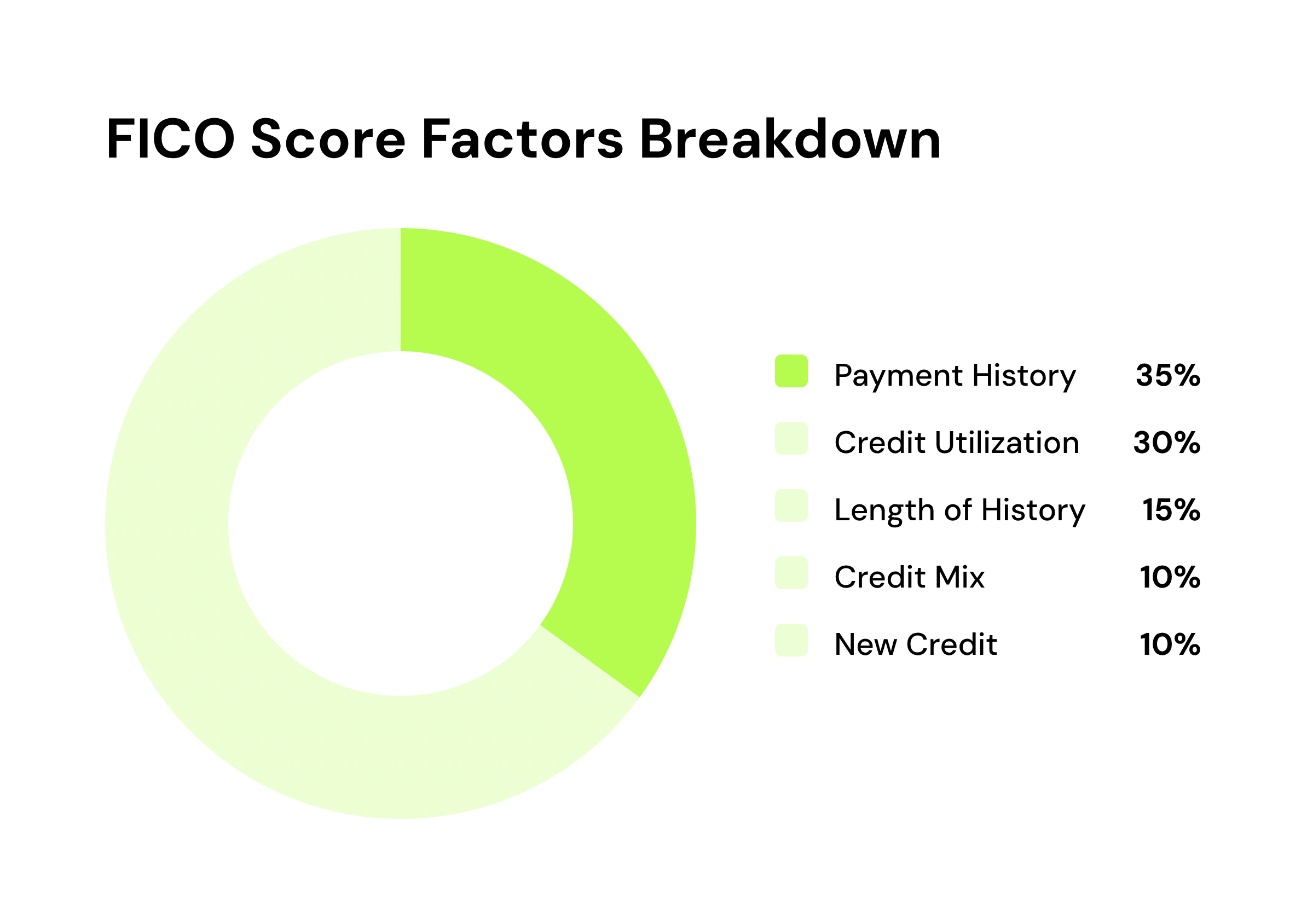
You also have more than one credit score. Different scoring models, credit bureau information, and calculation dates can produce different numbers.
For a clearer comparison over time, use the same score provider and check which scoring model and bureau it uses. The score you see in an app may differ from the one a lender uses.
A score that stays the same for a month does not necessarily mean your efforts are going nowhere. Keep focusing on payments you can make on time and balances you can manage.
Read more >> How to Read a Credit Report
Why monitoring your credit score matters
Checking your score can help you track trends and prepare for borrowing decisions. But the number alone cannot tell you whether a report contains an error or someone has opened an account in your name.
Reviewing your reports and account alerts helps you:
- Spot unfamiliar accounts or credit inquiries
- Check balances and payment information
- Confirm that a disputed error was corrected
- Investigate unexpected changes
You can get free weekly credit reports from Equifax, Experian, and TransUnion at AnnualCreditReport.com. These reports do not include credit scores, but they contain the account details you need to check for mistakes.
Do not wait for a score drop: An unfamiliar account, unexpected bill, or suspicious transaction deserves attention even if your score has not changed. Monitoring can help you notice problems, but it does not prevent every form of fraud.
If you find an error, dispute it with the bureau showing it and the company that supplied the information. If you suspect identity theft, visit IdentityTheft.gov for reporting and recovery steps.
Read more >> How to Report Identity Theft
Choosing an app for monitoring your credit score
Start by checking whether your bank or credit card issuer already provides a free score. Before adding another app or paying for monitoring, decide what information you want beyond that number.
Compare:
- Which score and credit bureau the service uses
- How often the score updates
- Whether you can review account-level report information
- Which changes trigger alerts
- What is free and what requires a paid plan
Kikoff’s credit monitoring is one option to explore. Bureau coverage and features vary by plan, so review the current details before choosing one.
Checking your credit and building credit are different tasks. You do not need to open a new credit account just to keep track of your score.
Bottom line
A monthly score check is a useful routine, not a rule or a promise of monthly progress. Check ahead of major credit applications, respond promptly to suspicious activity, and review your reports rather than relying on the score alone.
If frequent checking makes you anxious, choose a schedule you can comfortably maintain and keep relevant alerts turned on. Focus on the account activity behind the number.
Want help keeping track between check-ins? Explore Kikoff’s credit monitoring and compare the available coverage, features, and cost.
Frequently Asked Questions
Article Sources
Disclaimer: The information provided in this blog post is meant for informational purposes only and does not constitute financial advice.