.jpg)


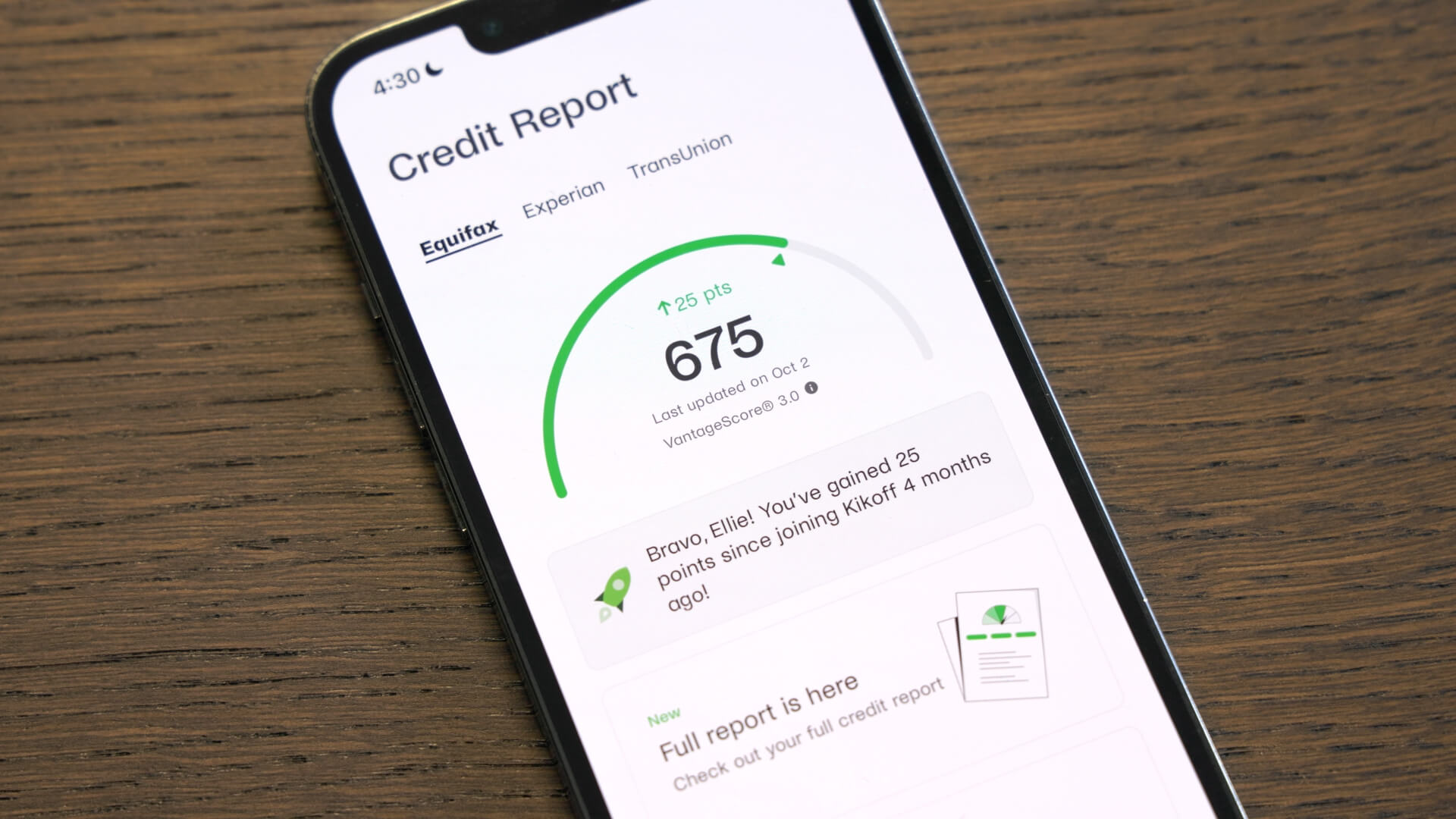
Credit-building apps can be a great tool to help you monitor your financial progress and improve your score over time. While there are no shortcuts to a higher score, the right mix of apps can support your journey and promote consistent progress. You may even enjoy a few quick wins once you start paying off debt and adding positive payment history.
How often do credit-building apps update? The most common credit monitoring update frequency is monthly or weekly, but a few different factors can make it seem like there is a lag. That's because these apps may not be in sync with the credit bureaus. Here's what you need to know.
How often do credit-building apps update their credit monitoring data?
So how often do credit-building apps like Kikoff update when various factors are considered? To answer that question, it's important to understand:
Bureau reporting schedules

Most credit-building apps only monitor the information provided by the major credit bureaus, which are Experian, Equifax, and TransUnion.[1] These bureaus typically receive updates from lenders and other information providers every 30 to 45 days.
Depending on how the timing lines up, it could be 45 days or more before a credit-building app has access to the latest information about your payment activity.
Let's say you make a big payment today, such as paying off a credit card. The activity won't appear on your credit report until the next reporting cycle. The activity you perform in the middle of the billing cycle may not show up for weeks.[3]
App refresh cycles
Even after the bureaus receive your data, your credit-building app may not display updates immediately. Most apps follow a weekly or monthly refresh cycle, which partially depends on the service level you signed up for and the bureau they pull from.[4]
When evaluating credit monitoring update frequency, it's important to separate two things:
- When your data is reported to the bureaus
- When your app displays the updated information
These two timelines aren't going to line up, so be patient. Focus on what you can control, such as using your credit responsibly and paying bills on time. Exhibiting financial discipline will promote consistent, long-term progress and help you build a strong score over time.
Why there's a lag between activity and updates
There is a lag between your financial activity, such as paying bills, and when your app updates for several reasons. First, the lender you pay won't report the activity until the end of their reporting cycle. Depending on when you make your payment, that could be 30 to 45 days away.
Once the lender reports the data to the credit bureau, the bureau could take a few days to process the information and add it to your report. Only then can the credit-building app access the new data and provide you with an updated score estimate. However, if you are consistently making good financial choices every month, you should see steady progress each time your profile is updated.
What affects how quickly your score changes?
Now that you know the answer to "How often do credit-building apps update?" let's shift our attention to what factors impact how quickly your score changes. After all, credit monitoring update frequency doesn't matter much if you aren't making the right financial moves to boost your score.
Here are the things you can do to move the needle in a positive direction:[2]
- Make on-time payments
- Avoid missing payments
- Keep your credit utilization at or under 30%
- Maintain a healthy credit mix
Credit-building platforms like Kikoff empower you with user-friendly tools that report positive payment activity over time.
Conclusion
Ready to improve your financial profile and boost your score? A free credit account from Kikoff can be a great addition to your financial strategy. Kikoff includes verified rent reporting, a secured credit card, and much more.
Frequently Asked Questions
About the editor

Article Sources
Disclaimer: The information provided in this blog post is meant for informational purposes only and does not constitute financial advice.