.jpg)



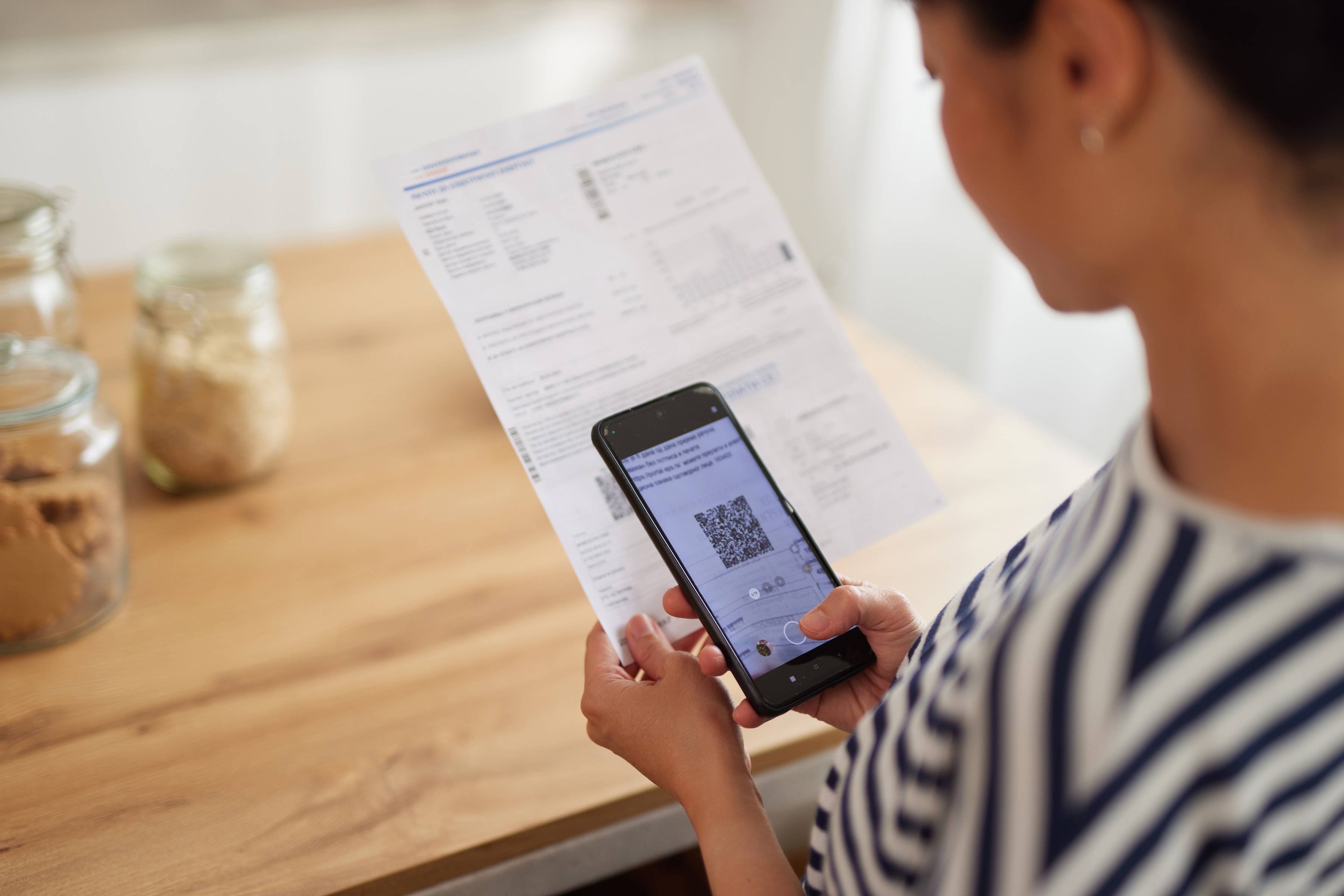
You can put most utility bills on a credit card, but it usually costs extra. Whether it's worth it comes down to three things: the fee, your card's rewards rate, and whether you'll pay the card off before interest accrues.
When can you pay utility bills with a credit card?
Many electric, gas, water, and phone or internet providers accept credit cards online, over the phone, or in person.
Card payments cost the company a processing fee, though, and many utilities pass that cost on to you. That fee can take one of two forms:
- A flat fee for each payment, typically a few dollars.
- A percentage of your bill, either a surcharge that applies to credit card payments only or a service fee for government providers, like city water departments.
Check your provider’s statement or billing page for the fee before you pay with a card.
Read more >> 6 Best Bill Reporting Apps in 2026
3 ways to pay utility bills with a credit card
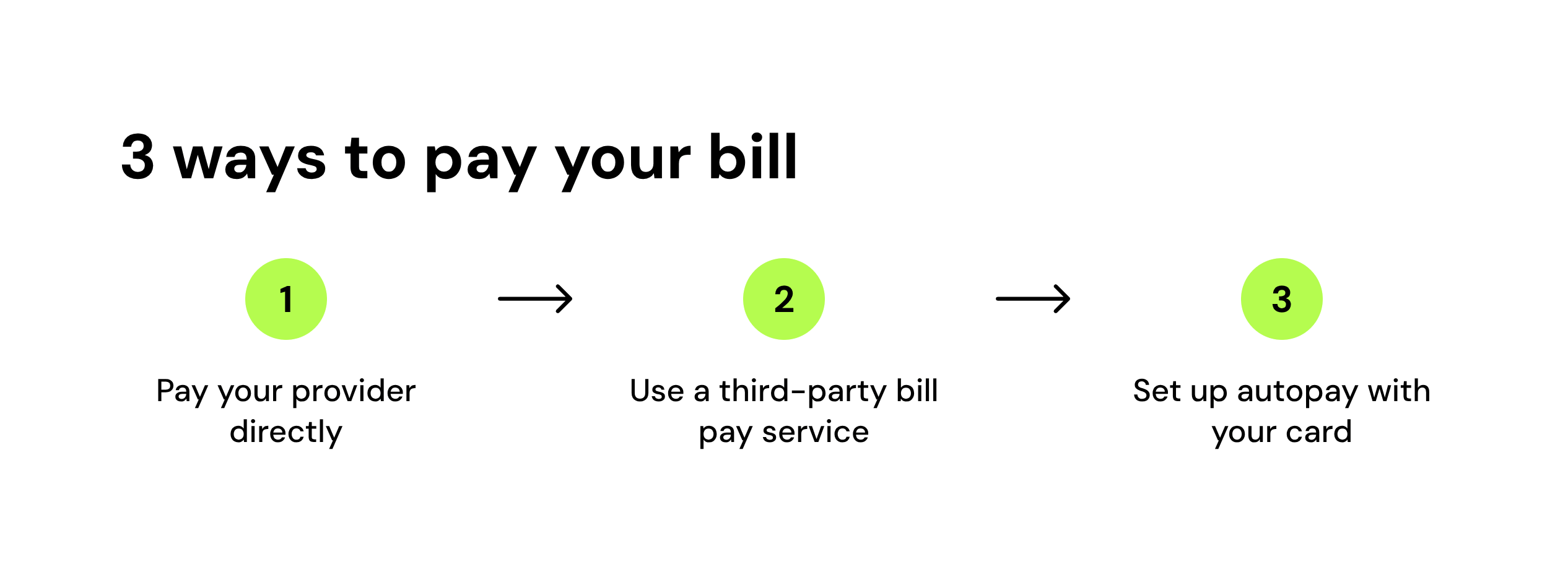
1. Pay your provider directly
Add your card as a payment method in your online account or pay by phone. If you’ve saved more than one card or bank account, check which one is set as your default before each payment.
2. Use a third-party bill pay service
If your provider doesn’t take cards, a bill pay service can charge your card and pay the bill for you. These services charge their own fee, so compare options with what a late payment might cost you.
3. Set up autopay with your card
Autopay on your card means you won’t miss a due date. Keep enough available credit to cover each charge.
If a payment is declined, call your utility provider right away and ask about a payment arrangement. Your provider may let you extend your due date, split payments into smaller amounts, or defer your past-due amounts over a longer period of time.
Read more >> How to Add Utility Bills to Your Credit Report
Pros of paying utility bills with credit cards
- You can earn rewards. If using a rewards card, you earn cash back or points for future purchases.
- You get extra time to pay. The bill isn’t due until your card’s due date, and on most cards you don’t pay interest if you pay your statement in full.
- You can track several bills in one statement. And you can set up autopay for one lump payment.
Cons of paying utility bills with credit cards
- Fees can eat into any rewards. A $3.50 fee on a $120 bill is almost 3%, which is more than a 2% cashback card pays.
- Interest adds up on anything you don’t pay in full. Any balance left after the due date is charged interest. On most cards, you lose the interest-free grace period on new purchases until you pay in full.
- It raises your credit utilization. The lower the share available credit you’re using, the better for your score.
Call the utility before you reach for a card
Utilities generally don't report on-time payments, and an unpaid bill usually reaches your credit report only if it goes to collections. A card reports every month, and a payment of 30 or more days late stays on your report for up to seven years. That’s like trading a quiet bill for a loud one.
Try the free routes first:
• Ask the utility about a payment arrangement.
• Check LIHEAP for heating and cooling help.
• Dial 211 for local assistance.
If you've gotten a shutoff notice, your state's public utility commission can tell you what protections apply. Many states restrict disconnection in winter or for medical needs.
How paying utility bills with a credit card affects your credit
Utility payments generally don’t appear on your credit report. A credit card does. What appears is your balance and whether you paid it on time.
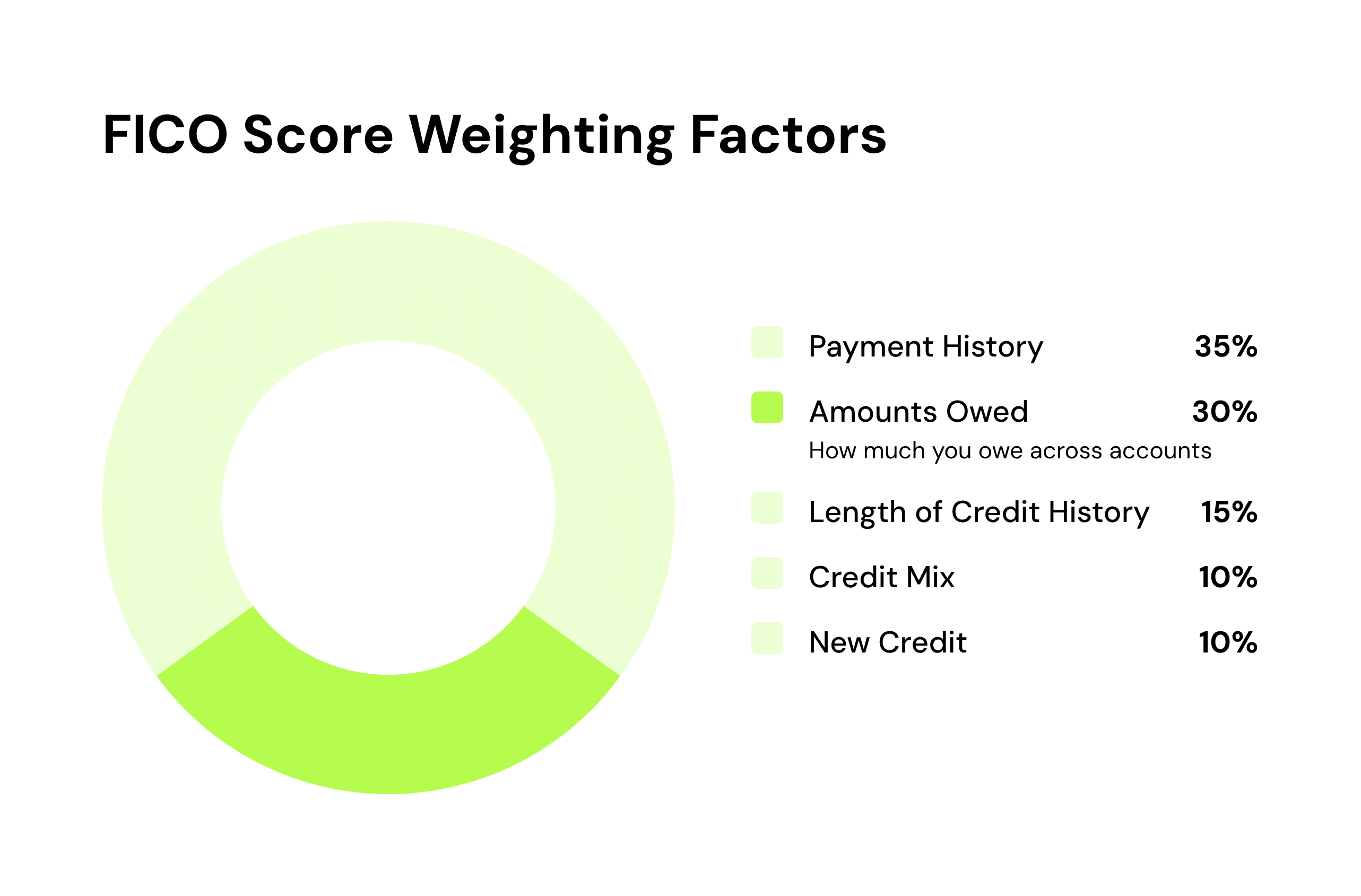
Moving a bill to your card increases your credit utilization, part of the “amounts owed” category that makes up 30% of your credit report. And a card payment that’s 30 days late can be reported to the bureaus by your card issuer.
To get utility payments on your credit report, you need a service that reports them, like Kikoff’s Bill Reporting that reports on-time payments for eligible bills.
Read more >> How To Lower Your Electric Bill
Bottom line
You can pay most utility bills with a credit card. Whether you should depends on whether the fees outweigh the rewards and whether you can pay the card in full by the due date.
Either way, the bill doesn’t appear on your credit report unless it goes unpaid long enough to reach collections. Kikoff Bill Reporting does the opposite, reporting eligible on-time phone, electricity, gas, and water payments to TransUnion each month. It’s included with Kikoff Premium starting at $20 a month.
Frequently Asked Questions
Disclaimer: The information provided in this blog post is meant for informational purposes only and does not constitute financial advice.