.jpg)



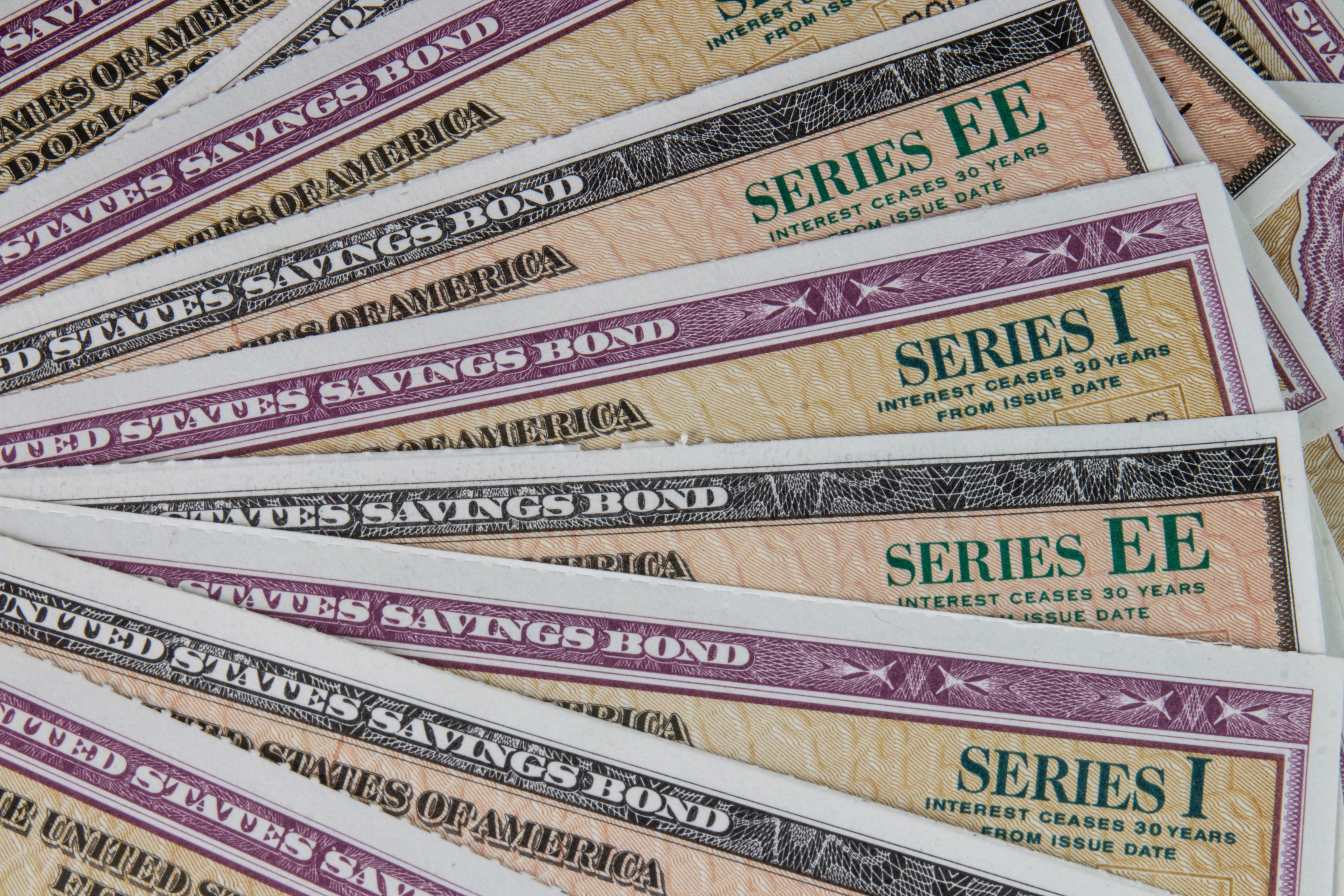
Did you ever get a savings bond as a gift when you were a kid? They still make a good one, and they still do what they always did: teach a child that money can grow if you leave it alone.
What's changed is how you buy one. Paper bonds are gone, so the process happens online now. And it works a little differently than handing over an envelope.
How to gift a savings bond
Digital is the only way to give a new savings bond. Banks stopped selling paper bonds in 2012, and the last paper option — buying Series I bonds with a tax refund — ended January 1, 2025.
The digital bond can't be delivered until your recipient has their own TreasuryDirect account, and it isn't released until five business days after you send it.
1. Open a TreasuryDirect account
TreasuryDirect is the government's site for buying savings bonds directly, with no need for a broker or bank. You'll need an account to buy a savings bond.
If your recipient doesn't already have a TreasuryDirect account, your gift will go into a Gift Box in your account until you deliver it. Your recipient will need to create one at that point. It means you can buy the bond today and ask them about it later.
Children under 18 can have an account. A parent or guardian will open their own TreasuryDirect account and then another linked account for the child.
2. Pick the bond and name who gets it
You have two options: Series EE bonds and Series I bonds. The U.S. Treasury sells either type in amounts from $25 to $10,000.
You need the recipient's full name and Social Security number (or individual taxpayer identification number, if they don't have an SSN). You'll also need their TreasuryDirect account number for delivery. You can also save the details in your account for future gifts.
3. Send the bond
The U.S. Treasury holds the bond in your TreasuryDirect account for five business days after purchase to confirm your payment clears the banking system. After that, open your Gift Box, pick the bond, enter the recipient's details, and submit. Your recipient will get an email announcing your gift.
TreasuryDirect also offers printable gift announcements for birthdays, graduations, and other special events if you want something to open.
Limits on gifted bonds
You can buy up to $10,000 in EE bonds and $10,000 in I bonds every calendar year. And a gift counts toward the recipient's limit, not yours, and in the year you deliver it, not buy it.
It's why the Gift Box is so useful:
- You can buy the gift in December and deliver it in January, and it lands in the new calendar year.
- Your recipient can wait until next January for the gift if they've already bought $10,000 on their own this year.
Bonds can't be chased for at least a year, and cashing them out before five years costs the last three months of interest.
Buying for college? Keep the bond in your name
EE and I bond interest can be tax-free when it pays tuition, but only if the owner was 24 or older when the bond was issued. A bond registered to a child never qualifies. Buy it in your own name instead, then pay the tuition yourself.
Taxes on gifted bonds
The person who receives the bond owes federal income tax on the interest it earns.
They can report it in two ways:
- Each year as it accrues
- All at once when they cash the bond or when it stops earning interest at 30 years, whichever comes first
As the giver, you're unlikely to owe anything. The annual gift tax exclusion amount is $19,000 for 2026, which is unchanged from 2025. And there's no limit on how many people you can give that much to. Above $19,000 to one person, and you'll file Form 709. But filing isn't the same as paying: Anything over the annual limit counts against a lifetime exemption of roughly $15 million, which most people never come close to using.
Talk with a tax professional for guidance specific to your situation.
Bottom line
Gifting a savings bond takes three things: a TreasuryDirect account on both sides, the recipient's Social Security and account numbers, and five business days of patience over the hold period.
One thing a savings bond won't do is show up on anyone's credit report, so if the person you're giving it to is about to rent an apartment or finance a car, building a credit file is a separate job.
A Kikoff Credit Account reports on-time payments to all three bureaus. Plans start at $5 a month, with no credit check to sign up.
Frequently Asked Questions
Article Sources
Disclaimer: The information provided in this blog post is meant for informational purposes only and does not constitute financial advice.