






Most personal loan lenders let you borrow between $2,000 and $50,000 with an unsecured personal loan, according to our analysis of 25 personal loan lenders. A third go higher, and five top out at $100,000, usually for borrowers with strong credit and income.
Where you land inside a lender’s range is a separate question. Your credit, your income, and how much of that income already goes to debt decide your offer. An origination fee can also shrink the amount that reaches your bank account.
How much can I borrow with a personal loan?
The lender you choose and its loan maximum is one of the biggest factors affecting how much you can borrow with a personal loan. We compared the published terms of 25 banks, credit unions, and online lenders. We found that the majority of lenders offered personal loans between $2,000 and $50,000.
Just a few lenders offered higher loan amounts. Of those, just five lenders offered personal loans as high as $100,000.
What we found across 25 lenders
Those limits are just the lender benchmarks. The specific loan amount you qualify for depends on your individual financial profile.
How do lenders decide my borrowing limit?
Lenders decide how much you can borrow based on several factors, including your credit score, income, DTI, and loan purpose.
Credit score
Lenders use your credit score to determine how likely you are to keep up with your loan payments and repay the loan on time. Higher credit can help you qualify for a larger loan, and usually a lower rate on all of it.
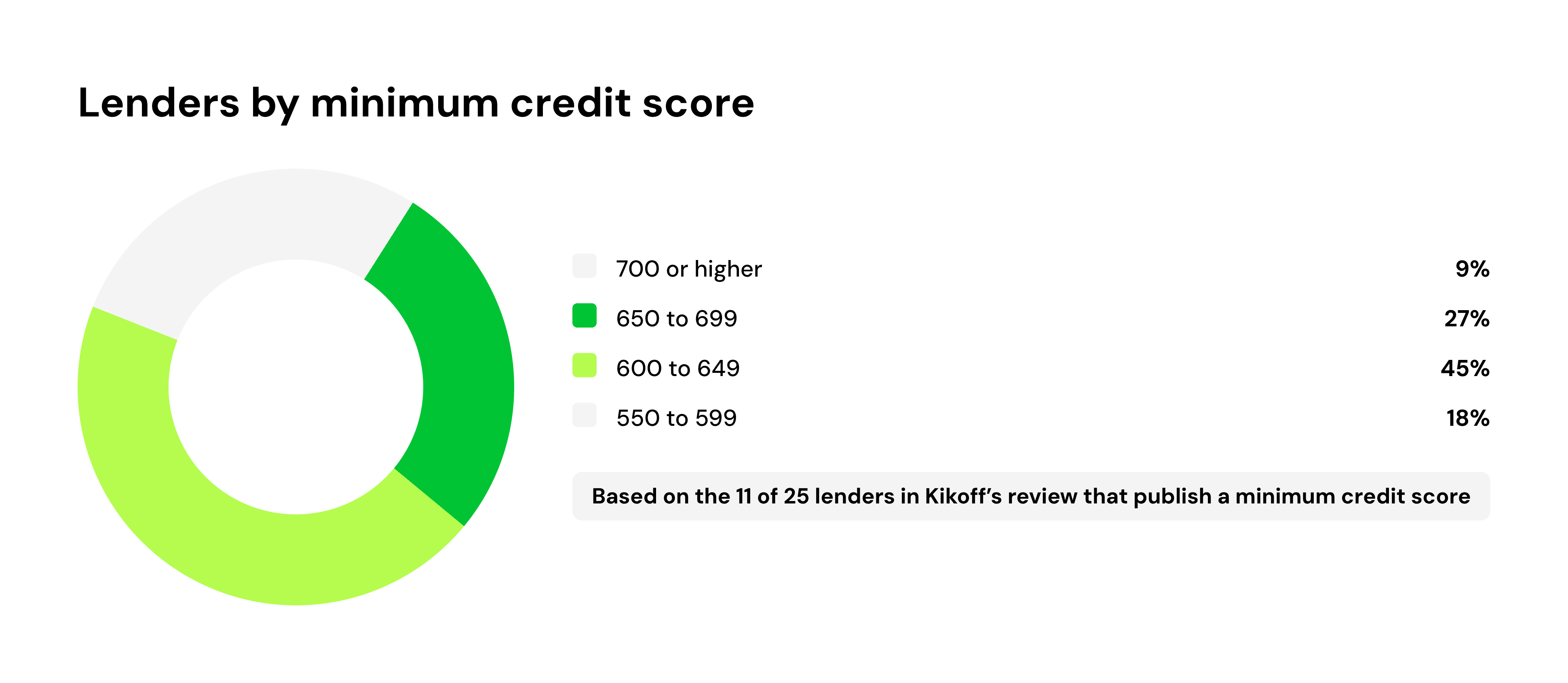
Not all lenders disclose their credit score requirements. Of the 11 lenders that publish a minimum credit score, nine set it at 600 or higher.
Income and debt-to-income ratio
Lenders want to know that you can comfortably afford your loan payments. Most lenders we reviewed don’t publish an income minimum, but they'll still check that your income covers the new payment. Your debt-to-income ratio (DTI) is the percentage of your gross monthly income that goes to debt payments. A lower DTI shows the lender more room in your budget for a new payment, which can help you qualify for more.
Loan purpose
Some lenders may set different loan limits depending on what the loan is for, and some don’t allow certain uses, like college costs or a down payment. Ask whether the maximum is different for what you’re borrowing for.
If you need a few hundred dollars until payday, a personal loan’s minimum may be more than you need. Grant Cash Advance offers $25 to $500 to eligible customers with no interest, no credit check, and no late fees. Instant delivery is available for a fee, and repayment comes out of your bank account automatically on your next payday, so plan for less to spend that pay period.
How to qualify for a larger loan
To improve your odds of qualifying for a higher personal loan amount, use these tips:
- Build your credit. Lenders usually save their largest loans for borrowers with good to excellent credit. On-time payments matter most. Check your reports free every week at AnnualCreditReport.com, and dispute anything that’s inaccurate. Kikoff’s AI Credit Disputes can help you put the dispute together in a few taps.
- Ask about a secured loan. Some lenders offer secured personal loans backed by something you own, such as a car or savings. That can help you qualify for more. If you can’t repay, however, the lender can take what you put up, so only back a loan with something you can afford to lose.
- Lower your DTI. Paying down a balance before you apply lowers the percentage of income going to debt. If more income is realistic for you right now — for example, taking on a side gig, getting a part-time job, or finding a new full-time position — that helps too.
- Apply with a cosigner. A cosigner with good credit and steady income can help you qualify for more, often at a better rate. They’re agreeing to repay the full balance if you don’t, and the lender can come to them without trying you first, depending on where you live. The loan also counts as their debt when they apply for credit.
- Shop around. Loan amounts, eligibility requirements, and rates vary by lender, so comparing several can turn up a bigger loan or a lower rate. Start with lenders that let you prequalify. You’ll see the amount and rate you’d likely get without affecting your credit. Once you’ve picked the best offer, send one full application. That’s when the lender does a hard credit check.
Borrow what you need, not the most you’re offered. None of the 25 lenders we reviewed charge a prepayment penalty, so paying early saves you interest.
If you’re borrowing to consolidate debt or catch up on bills, a nonprofit credit counselor can help you size the loan before you apply. The National Foundation for Credit Counseling (NFCC) can connect you to free or low-cost counseling at 800-388-2227.
Bottom line
Most lenders cap personal loans at $50,000 or less. Your credit, income, and existing debt decide where your offer lands in that range, and what rate you pay on the whole balance. If the loan can wait, building credit first can help you qualify for more at a lower cost. Kikoff’s Credit Account reports your on-time payments to Equifax, Experian, and TransUnion, with no credit check to sign up. Plans start at $5 a month.
Frequently Asked Questions
Disclaimer: The information provided in this blog post is meant for informational purposes only and does not constitute financial advice.