


.jpg)
.jpg)



Gambling doesn’t directly affect your credit score because bets, wins and losses aren’t part of a traditional credit report. However, gambling can indirectly affect your credit if it leads to high credit card balances, new debt, missed payments or collection accounts.
The effect comes from how gambling changes your finances and credit accounts, not from the gambling activity itself.
Does gambling directly affect your credit score?
No. Credit-scoring models generally calculate your score from information in your credit reports, including:
- Payment history
- Amounts owed, including credit utilization
- Length of credit history
- Credit mix
- New credit activity
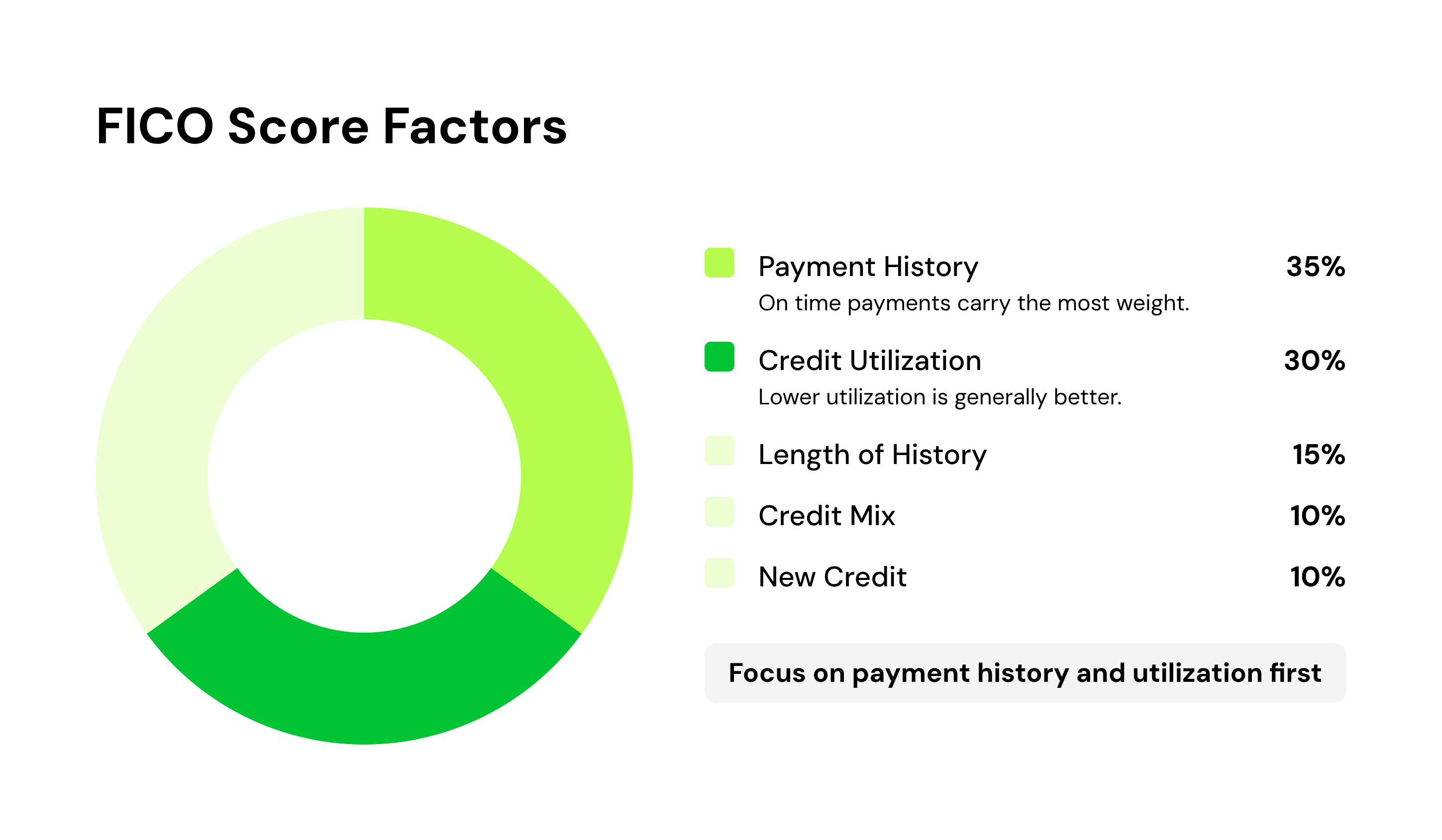
Gambling activity isn’t one of these factors. Casinos, sportsbooks and gambling apps generally don’t report your individual bets, wins or losses to Equifax, Experian or TransUnion.
According to the Consumer Financial Protection Bureau, traditional credit reports contain information such as credit-account balances, payment history, credit limits, collections and inquiries. They don’t provide an itemized record of how you spend money.
How gambling can indirectly affect your credit
Gambling can affect your credit when it contributes to borrowing, high balances or missed payments. The effect will depend on which accounts are involved and how they are managed.
Taking on debt to gamble
Using borrowed money to gamble can increase your monthly obligations without creating a reliable way to repay them. Examples include:
- Charging bets or related expenses to a credit card
- Taking out a personal loan
- Using a short-term loan or cash advance
- Opening new credit accounts
- Borrowing against existing assets
Applying for new credit may result in a hard inquiry, and opening several accounts in a short period can affect the new-credit portion of your score. The added debt can also strain your budget even when the loan itself is paid on time.
Missing payments
A missed due date doesn’t automatically lower your credit score. Your creditor may charge a late fee after the due date, but late payments generally aren’t reported to the credit bureaus until they are at least 30 days past due.
Once a late payment is reported, its effect depends on factors such as how late it is, how recently it occurred and the rest of your credit history. Negative payment information can generally remain on a credit report for up to seven years, according to the CFPB.
If you miss a payment, contact the creditor and bring the account current as soon as you can.
Read more >> What happens if you miss a credit card payment?
Higher credit utilization
Credit utilization is the percentage of your available revolving credit that you’re using. Charging gambling-related expenses or cash advances to a credit card increases its balance and may raise your utilization.
Higher utilization can affect your credit score even when you make the minimum payment on time. You can learn more about how credit utilization affects your credit score.
Credit card cash advances
A cash advance lets you withdraw money against your credit card’s limit. The withdrawal becomes part of your card balance and therefore contributes to your credit utilization.
Cash advances can also be expensive. The CFPB explains that issuers may charge cash-advance and ATM fees. Cash advances also commonly have a higher interest rate than purchases, and interest generally begins accruing on the transaction date without a grace period.
Defaults and collection accounts
If unpaid credit card or loan debt goes into default, the lender may transfer or sell it to a collection agency. The original delinquency and a resulting collection account may appear on your credit reports and affect your scores.
The effect of a collection account varies based on the scoring model, the age and amount of the debt and the rest of your credit history. Avoid assuming that paying a collection will immediately remove it from your reports or produce a particular score change.
If you’re struggling to manage several debts, consider speaking with a nonprofit credit counselor. The National Foundation for Credit Counseling can connect you with free or low-cost counseling at 800-388-2227.
Read more >> What Happens If You Miss a Credit Card Payment?
Do gambling transactions appear on your credit report?
Individual gambling transactions generally don’t appear on traditional credit reports. If you place a bet with a debit card or bank account, the transaction may appear on your bank statement but not on your Equifax, Experian or TransUnion credit report.
If you use a credit card, the transaction may appear on your card statement. Your credit report may show the card’s balance, payment status and credit limit, but it generally won’t include an itemized list of individual purchases.
An unpaid negative bank-account balance can create a separate risk. Banks may report account problems to specialty checking-account reporting companies, and an unpaid balance sent to collections could eventually appear on a traditional credit report.
Can gambling affect a loan or mortgage application?
Gambling itself isn’t a credit-scoring factor, but its financial effects may influence a loan application. Lenders commonly evaluate your income, debts, credit history and available assets.
For a mortgage, a lender may use bank statements to verify that you have enough money for the down payment, closing costs and required reserves. Fannie Mae’s asset-verification guidance requires qualifying bank statements to show deposits, withdrawals and the ending balance.
A gambling transaction doesn’t automatically disqualify you for a mortgage. However, recurring withdrawals may reduce the funds available to close, and gambling-related debt or missed payments may affect affordability and credit eligibility. Requirements vary by loan program and lender.
How to protect your credit if you gamble
If you choose to gamble, keep it separate from the money needed for bills, debt payments and savings. Steps that may reduce financial risk include:
- Set a firm spending limit before you begin.
- Use only money left after essential expenses and savings.
- Don’t borrow money or use a credit card cash advance to gamble.
- Monitor your bank and credit card balances.
- Keep every debt payment current.
- Use deposit limits, cooling-off periods or self-exclusion tools when needed.
- Stop and seek support if gambling begins affecting your bills, relationships or well-being.
If gambling feels difficult to control, help is available. Call or text the National Problem Gambling Helpline at 1-800-MY-RESET to connect with trained professionals and resources in your state.
Bottom line
Gambling doesn’t directly affect your credit score, and individual bets don’t appear on a traditional credit report. The credit risk comes from related financial activity, including high balances, cash advances, new debt, missed payments and collections.
Address urgent bills and gambling-related concerns before taking on another account. When you’re ready to focus on building positive payment history, Kikoff’s Credit Account reports on-time payments to all three credit bureaus, with no hard credit check to sign up.
Frequently Asked Questions
Article Sources
Disclaimer: The information provided in this blog post is meant for informational purposes only and does not constitute financial advice.