.jpg)



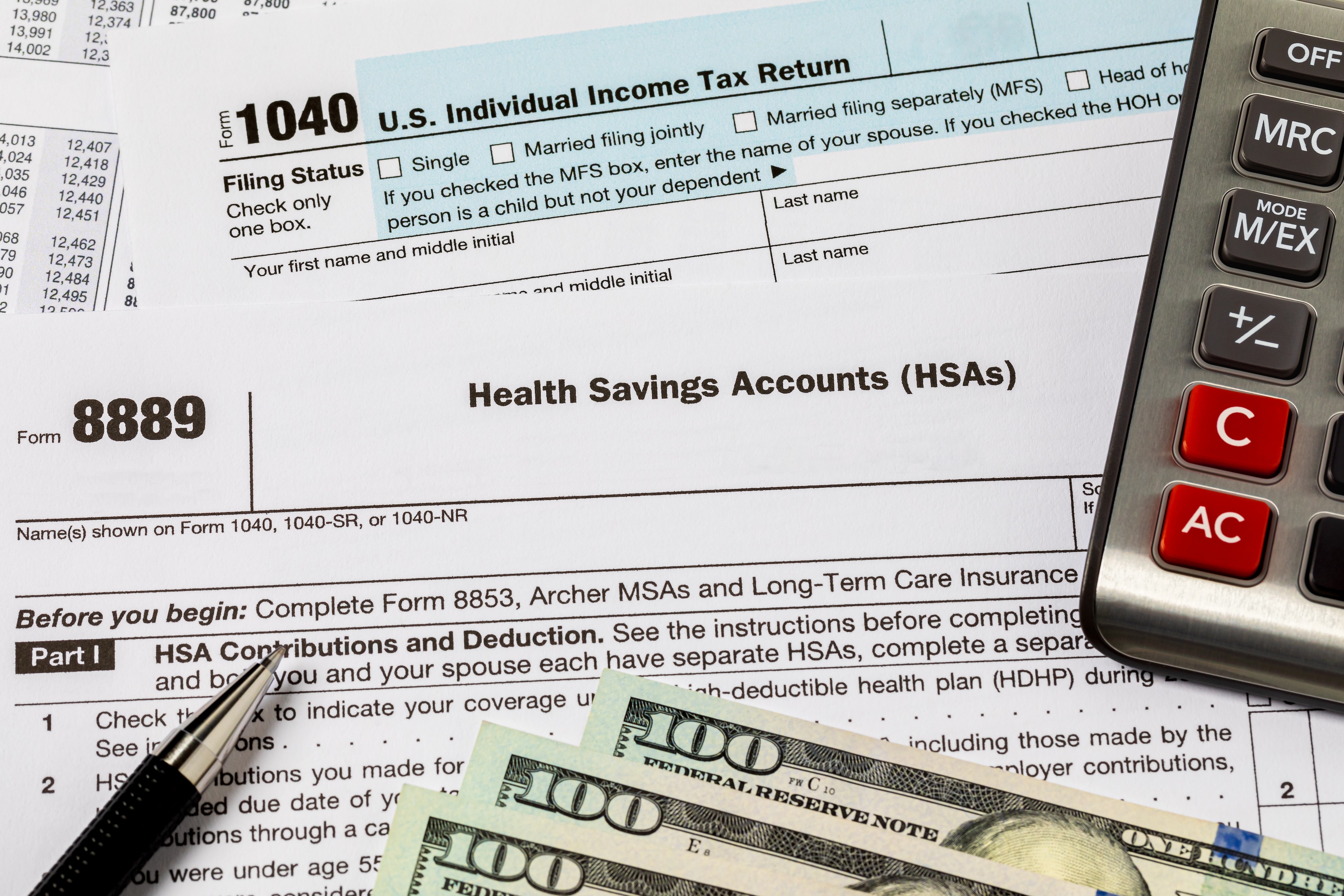
Family coverage through an employer averaged $26,993 a year in 2025, with workers paying $6,850 of that themselves, according to KFF, a health policy nonprofit. That's up 6% from the year before.
At that scale, a deduction is worth asking about. Whether you get one comes down to three things: whether you're self-employed, whether your premiums are already coming out pre-tax, and whether you itemize.
Are health insurance premiums tax-deductible?
There are two main situations where you can deduct your health insurance premiums:
- You’re self-employed
- You itemize deductions and your total medical costs exceed 7.5% of your adjusted gross income (AGI)
If you're self-employed
If you're self-employed and your business turned a profit, you can deduct what you paid for health insurance without itemizing. It's an "above the line" deduction, which means it comes off your income whether you take the standard deduction or not. The deduction covers your spouse and dependents too.
Two things to keep in mind:
- You can't deduct more than you earned from the business the plan is tied to. Anything above that moves to Schedule A, if you itemize.
- If you could have joined a plan an employer helps pay for, either yours or a spouse's, you can't claim the deduction for those months, even if you didn't enroll. Whether it’s subsidized is important here: An employer that offers coverage but puts nothing toward the premium doesn't affect you.
If you itemize deductions
According to the IRS, you can deduct the portion of your medical and dental expenses that exceeds 7.5% of your AGI. As long as you pay them yourself, your health insurance premiums are included as a medical expense.
The IRS makes it clear that you may only deduct medical expenses that:
- You paid for out of your own pocket
- Were not reimbursed by insurance
- Were not paid with pre-tax dollars (like those in an FSA or HSA)
If you want to claim this deduction, you must itemize deductions on your tax return. The IRS has published the standard deductions for the 2026 tax year (the return you’ll file in 2027):
If you're 65 or older or blind, your standard deduction is higher than the table shows, so your itemized deductions have to clear a higher bar. There's also a separate $6,000 deduction for filers 65 and older through 2028 that’s subject to income limits, but you get that one whether you itemize or not.
When to bring in a tax professional
A few situations make it worth handing off responsibility to a professional:
• You bought your plan through the Marketplace and got a premium tax credit.
• You run your business as an S corporation or a partnership rather than a sole proprietorship.
• You're 65 or older and working out whether itemizing is worth it at all.
A CPA or enrolled agent handles all three routinely. But check whether you qualify for free help first. The IRS runs VITA for filers making roughly $69,000 or less and funds TCE for files ages 60 or older. AARP Foundation’s Tax-Aide program operates most TCE sites. Call 800-906-9887 for details.
Can you deduct health insurance premiums if you have an employer-sponsored plan?
In most cases, you can’t deduct insurance premiums if you have health insurance through your employer. If your share of the premium comes out of your paycheck before taxes, it’s already been left out of the taxable wages reported on your Form W-2. In other words, you’ve had the break, and there’s nothing left to deduct.
If you pay your share with after-tax dollars, that amount is included in your W-2 wages and can count as a medical expense if you itemize.
Are health insurance premiums tax-deductible if you have Medicare?
If you have Medicare coverage, the same rules for deducting health insurance premiums apply. If you’re self-employed and pay Medicare health insurance premiums, you can generally deduct them without itemizing.
If you itemize deductions and your medical expenses (including Medicare premiums) exceed 7.5% of your AGI, you can deduct the portion that goes over 7.5%.
How HSAs and FSAs affect your deduction
A health FSA can't pay insurance premiums. An HSA can, but only in a few narrow cases that include:
- COBRA after you leave a job
- Coverage while you're on unemployment, long-term care premiums
- Medicare once you're 65 (Medigap doesn't count)
What you take out of an HSA or FSA for medical costs comes out tax-free, and the tax code won't let you claim the same expense twice. So anything you paid with HSA or FSA money can't also be deducted. And if you're itemizing, it doesn't count toward the 7.5% you have to clear.
How to claim the health insurance premium tax deduction on your tax return
The steps to deduct health insurance premiums on your taxes differ depending on your situation.
If you’re self-employed
If you’re claiming the deduction as a self-employed person, complete Form 7206 (Self-Employed Health Insurance Deduction) first. You can then enter the deductible amount on Part II of Schedule 1. If you’re using tax filing software, it should guide you through the steps.
If you’re itemizing
If you’re itemizing, you’ll need to fill out a form called Schedule A and attach it to your 1040. Schedule A lets you itemize your medical costs and then subtract 7.5% of your AGI.
Bottom line
Health insurance premiums are deductible in some situations and not others. If you're self-employed, you can generally deduct them without itemizing. If you're covered through an employer, your premiums likely come out pre-tax already, which means there's nothing left to deduct. And if you itemize, medical expenses only count above 7.5% of your adjusted gross income.
The other place to look for money back is your credit. A deduction saves you once at filing time. A better credit score lowers what you pay to borrow for as long as you hold the loan. Kikoff's Credit Account reports your on-time payments to all three credit bureaus, with no credit check and plans starting at $5 a month.
Frequently Asked Questions
Article Sources
Disclaimer: The information provided in this blog post is meant for informational purposes only and does not constitute financial advice.